

Best Bitcoin Wallets in Nigeria in 2026 (Top Picks for Every Nigerian User)
Nigeria is quickly emerging as one of the most active cryptocurrency markets in the world, and it is predicted to have more than 25 million users of cryptocurrencies by 2026. Since it has become the new norm for freelancers to get paid in Bitcoin, traders in P2P markets and the average users convert crypto to Naira, this makes the need to have a reliable wallet to increase over time.
However, as dozens of options are now available, finding the most suitable bitcoin wallet in Nigeria is no longer as easy as it used to be. It is necessary to consider what you want to achieve, your level of experience, and your purpose for considering using crypto.
At the same time, the regulatory environment in Nigeria contributes to the complexity. Although the use of Bitcoin wallets is entirely lawful, the Central Bank of Nigeria (CBN) imposes limitations which have directed users to rely on the P2P methods or trusted off-ramp platforms to exchange crypto with Naira. It is even more crucial when it comes to picking the wallet to store your Bitcoin but also, how easy it will be to access, move, and take your money out when you need it?
Today, we’ll dissect the 12 best Bitcoin wallets in Nigeria in 2026 to include the simple-to-use mobile apps, as well as the more sophisticated hardware wallets to use as long-term security. What is more important is that we pay attention to what really matters to the users in Nigeria and that is security, convenience, the possibility of NGN withdrawal, charges, and practicality in real life.
Whether you are only starting to buy, actively investing, or holding your Bitcoin long term, this guide will help you to select the right wallet and how to use platforms like Dtunes with storage wallets to safely turn your crypto into Naira without the P2P risk.
Are you ready to sell your crypto without any delay? Try Dtunes now!
Comparison of the Best Bitcoin Wallets in Nigeria (2026)
| Wallet | Type | NGN Support | Custody | Security Level | Best For |
|---|---|---|---|---|---|
| Trust Wallet | Hot (Mobile) | Via P2P / external (e.g. Dtunes) | Non-Custodial | High | Versatile HODLing & daily use |
| Dtunes | OTC Conversion Platform | Direct NGN (Bank payout) | Custodial (transaction-based) | High | Fast BTC-to-Naira conversion |
| Breet | Hot (Mobile) | Direct NGN | Custodial | Medium | Frequent Bitcoin sellers |
| Exodus Wallet | Hot (Desktop + Mobile) | Via exchange | Non-Custodial | Medium–High | Beginners |
| Ledger Nano X | Cold (Hardware) | Via exchange | Non-Custodial | Very High | Long-term HODLers |
| Luno | Hot (Exchange) | Direct NGN | Custodial | Medium | Total beginners |
| OKX | Hot (Web3) | Via P2P | Non-Custodial | High | Web3 / DeFi users |
| Electrum | Hot (Desktop) | No | Non-Custodial | Very High | Bitcoin purists |
| Binance Web3 Wallet | Hot (Mobile) | Via P2P (NGN) | Non-Custodial | High | Binance users |
| Coinomi | Hot (Mobile + Desktop) | No | Non-Custodial | Medium–High | Privacy-focused users |
| SafePal | Cold + Hot (Hybrid) | Via exchange | Non-Custodial | High | Budget cold storage |
| Trezor Model T | Cold (Hardware) | Via exchange | Non-Custodial | Very High | Advanced security users |
Based on speed, rates, and safety, we recommend Dtunes for most Nigerian users. See today's exchange rates here.What Is a Bitcoin Wallet and Why Does It Matter in Nigeria?
A Bitcoin wallet is an application that enables you to store, transfer, and get Bitcoin safely. A Bitcoin wallet does not actually store your coins physically as is the case with a conventional bank account which contains physical money.
Rather it keeps your private keys, that is, the cryptographic credentials that attest to your ownership of your Bitcoin on the blockchain. The keys are the keys to the funds, this is why the choice of a wallet is among the most significant decisions that every crypto user makes.
This is even more critical to the Nigerian users, because of the unique financial environment of the country. Although cryptocurrency is technically not illegal, the Central Bank of Nigeria has been imposing limitations on those banks that enable direct transactions of cryptocurrencies.
Consequently, the majority of Nigerians turn to other solutions, including peer-to-peer (P2P) trading or crypto-to-cash services, which are offered by Dtunes to convert Bitcoin to Naira. This means that your wallet is not only a storage device, but it is also your gateway to transferring money, accepting money, and ultimately, a means to cashing out.
You have to know two broad categories of Bitcoin wallets:
- Custodial wallets: Custodial wallets are operated by third-party platforms (such as exchanges), where the provider stores your private keys on your behalf. They are also simpler to operate, particularly to beginners, and have counterparty risk because you do not have full control over your money.
- Non-custodial wallets: In these types of wallets, you possess full custody of your own key and thus you are the only one in charge of your Bitcoin. Although they are more secure and independent, they also come with an increased responsibility which is the fact that once you lose your recovery phrase, you won’t be able to get your money back.
The choice between these types of wallets in Nigeria usually hinges on your main purpose. A custodial product with direct withdrawal might be more comfortable in case you regularly sell Bitcoin to Naira. Conversely, a long-term holding of Bitcoin or payment received outside the country is better controlled and secured with a non-custodial wallet.
Bear in mind that a Bitcoin wallet is not only a storage device, but also an access, control and flexibility device. Your selection of the right choice determines if you will find it easy to navigate the Nigeria crypto space.
Types of Bitcoin Wallets Available in Nigeria
There are different forms of the Bitcoin wallets, and the understanding of this is essential for choosing what works best within Nigeria’s crypto environment. Each type of wallet offers a different balance between convenience, security, and accessibility, especially when it comes to converting Bitcoin to Naira. These wallets are:
- Hot wallets: Hot wallets are the most common and widely used in Nigeria. They are internet-connected wallets which are available as mobile apps or browser extensions. Examples of this include Trust Wallet or MetaMask. They are easy to set up, free to use, and ideal for everyday transactions like receiving payments or sending cryptocurrency. However, because they are always online, they have a higher risk of phishing attacks or malware if not properly secured.
- Cold wallets: On the other hand, cold-wallets are offline storage wallets, typically hardware devices like Ledger or Trezor. These wallets store your private keys completely offline, this makes them the safest option for long-term Bitcoin storage. For Nigerian users holding large amounts of crypto, cold wallets are often considered essential, even though they require an upfront cost and a little more technical understanding.
You’ll also find mobile wallets, desktop wallets, and hardware wallets, which simply describe how and where the wallet is used. Mobile wallets dominate in Nigeria due to easy accessibility to smartphones, while desktop wallets appeal more to advanced users who want more technical control.
As explained earlier, wallets are either custodial or non-custodial. In Nigeria, where users often rely on P2P trading or platforms like Dtunes for Naira conversion, many users combine multiple wallet types to balance security with their day-to-day use.
How We Chose the Best Bitcoin Wallets for Nigerian Users
As you know that this article is focused on showing you the best bitcoin wallet in Nigeria, we do not aim to show these wallets based on ordinary global popularity. It requires a strong understanding of how crypto is actually used within the crypto community of the country. At Dtunes, we evaluated each wallet based on real usability for Nigerian users, not just feature lists.
The first factor we considered was security. Security was non-negotiable so we prioritized wallets with strong encryption, proven track records, and where applicable, full user control over private keys. For hardware wallets, we assessed the quality of secure element chips and recovery systems.
Second, we looked at the compatibility with NGN and off-ramp practicality. Since direct bank-to-crypto transactions are restricted by the Central Bank of Nigeria, we also looked at how easily users can convert Bitcoin to Naira, whether through P2P systems or platforms like Dtunes.
Another factor we considered was ease of use, especially for beginners. Wallets with clean interfaces, simple onboarding, and minimal technical friction ranked higher for entry-level users.
Other key factors included:
- Fees (transaction, swap, or withdrawal costs)
- P2P support or exchange integration
- KYC requirements
- Asset support (it doesn’t matter that the focus is Bitcoin)
The factors above have helped us to get a balanced list that serves beginners, traders, and long-term holders within Nigeria’s crypto space.
Best Bitcoin Wallets in Nigeria in 2026 (Our Top Picks)
The following are the best wallets that every crypto user in Nigeria should consider in 2026. All of them are to serve a certain purpose, and in most cases, the most effective strategy is to combine two (e.g., storage + conversion).
1. Trust Wallet (Best All-Rounder for Nigerian Mobile users)
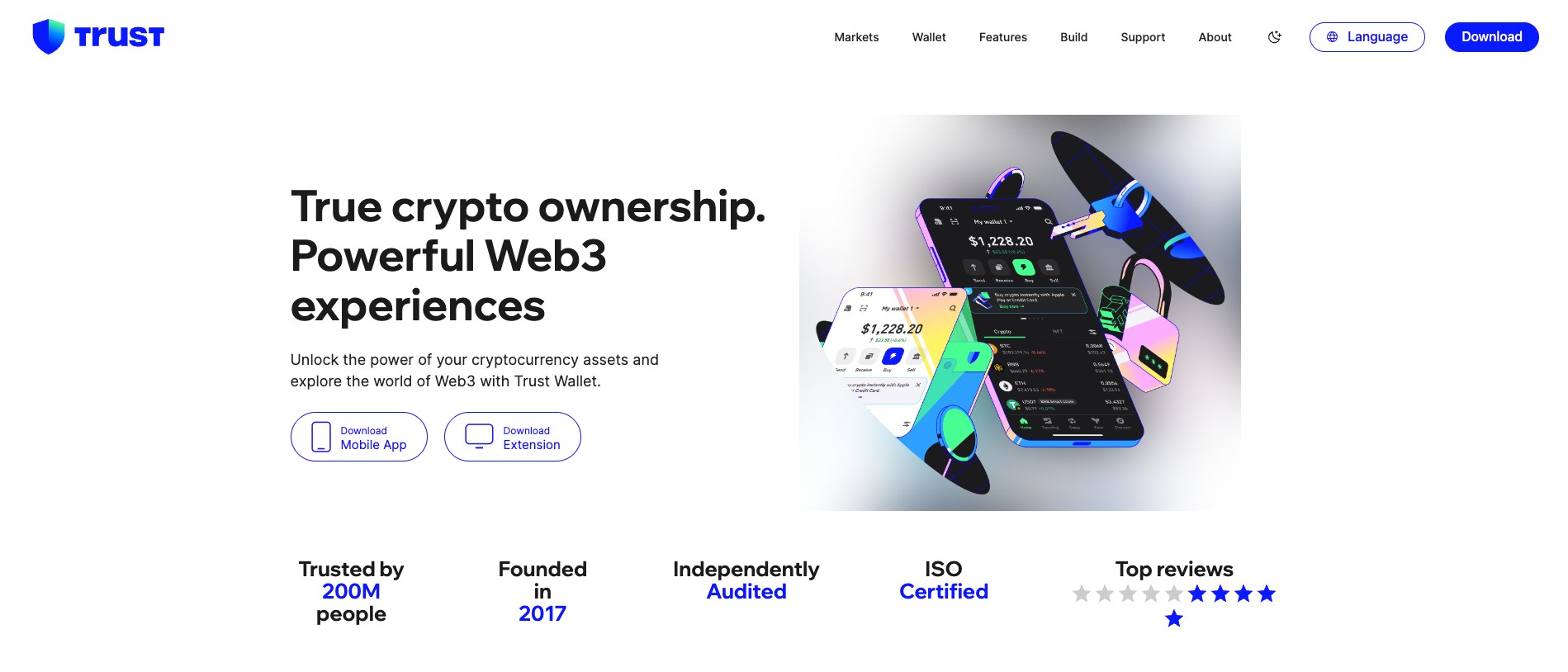
Trust Wallet is the most flexible choice for Nigerians who desire everything about their Bitcoin and other crypto assets in a straightforward mobile application. It is widely recognized for daily crypto transactions in Nigeria because of its multi-utility, ease of use, and multi-chain support in the mobile application.
Key Features
- Non-custodial mobile wallet (iOS and Android).
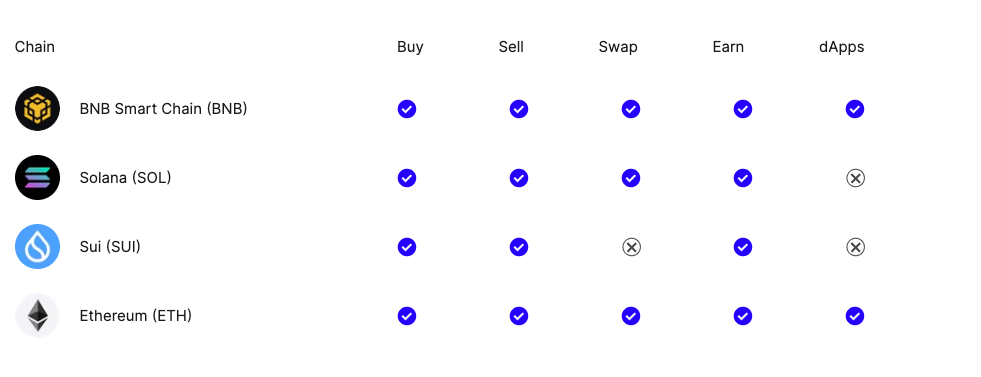
- Supports Bitcoin and 100+ blockchains.
- Built-in dApp browser
- Buy crypto through third-party vendors.
- It is free to download
- Recovery through 12-word seed phrase
Pros
• There is no KYC required
• It supports large assets
• It is free to use
• It has a beginner-friendly interface
• Strong global reputation
Cons
• No direct NGN withdrawal.
• Not best for BTC-to-Naira conversion alone
• Depends on third party fiat providers.
• No special customer support.
Best For: Nigerians who desire a flexible, self-custody wallet to store and manage Bitcoin and other assets on mobile.
2. Dtunes (Best Place to Convert Bitcoin to Naira without P2P)
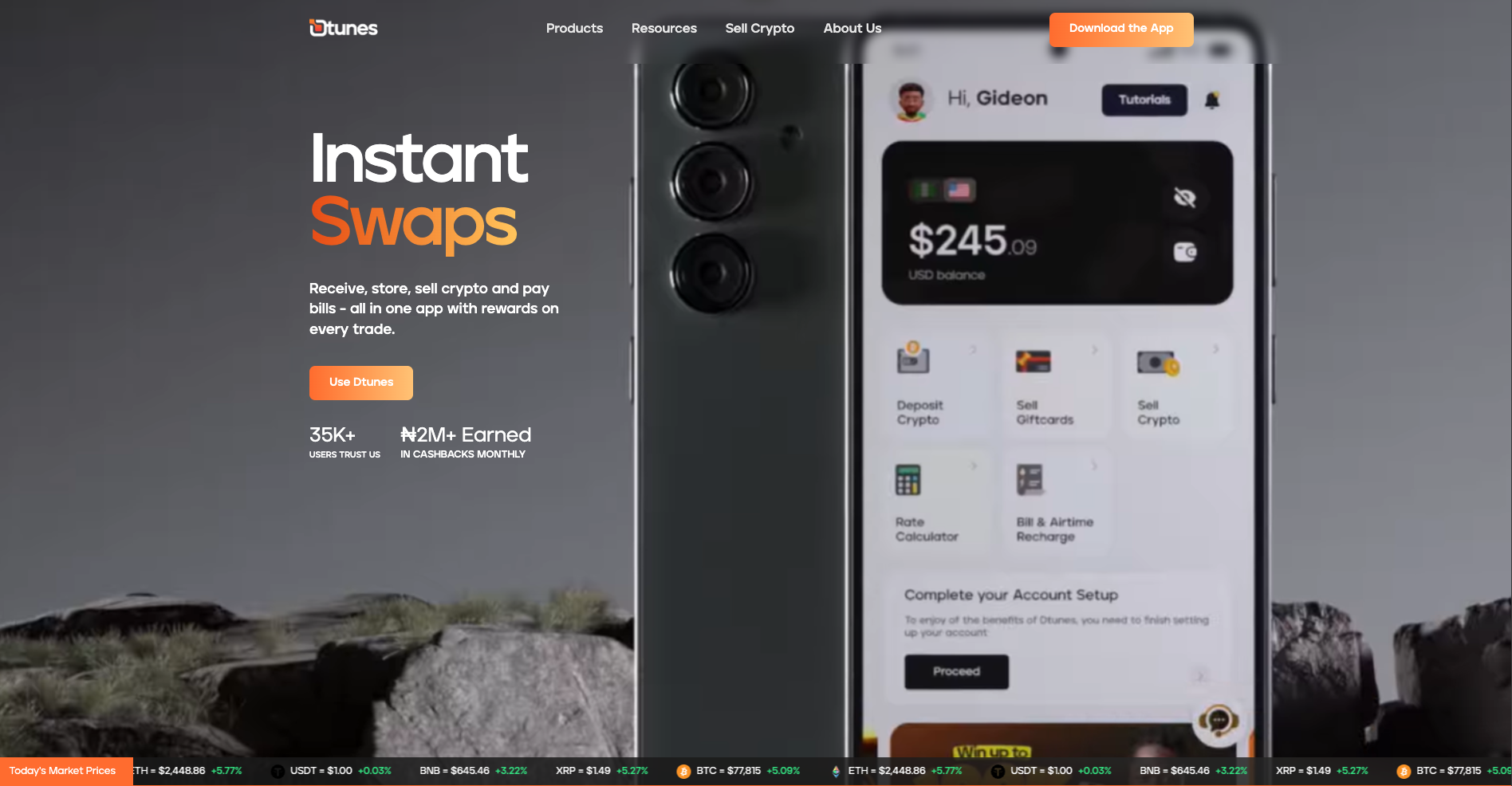
Dtunes is not a regular wallet, yet it plays a very important role in the crypto economy of Nigeria. It is one of the fastest ways to directly convert Bitcoin to Naira. When a user receives cryptocurrency in a Dtunes wallet address, it is instantly converted at a known rate and credited into his/her local bank account within minutes.
This removes the need for P2P trading, which can be risky due to the possibility of scams like fake payment notifications. For Nigerians, Dtunes completes the crypto cycle by directly converting crypto to cash. To show you how interesting and competitive our rates are, check out our rates calculator by clicking this link.
Key Features
- Instant BTC-to-NGN conversion
- 5-10 minutes confirmation bank payout.
- Accepts the most popular coins such as BTC and USDT.
- No P2P or buyer communication needed.
- 24/7 human customer support
Pros
- Fast Naira withdrawal
- None of the P2P scams or counterfeit alerts.
- Transparent rates
- Simple process
- Makes it possible to pay bills using crypto.
Cons
- Not a storage wallet
- Cannot buy crypto
- Platform-set rates
- Requires internet access
Best Usage: Nigerians who desire a rapid, secure and direct method to convert bitcoin into Naira without having to deal with the P2P risks.
3. Breet Wallet (Best to Instantly Change Bitcoin-to-Naira)
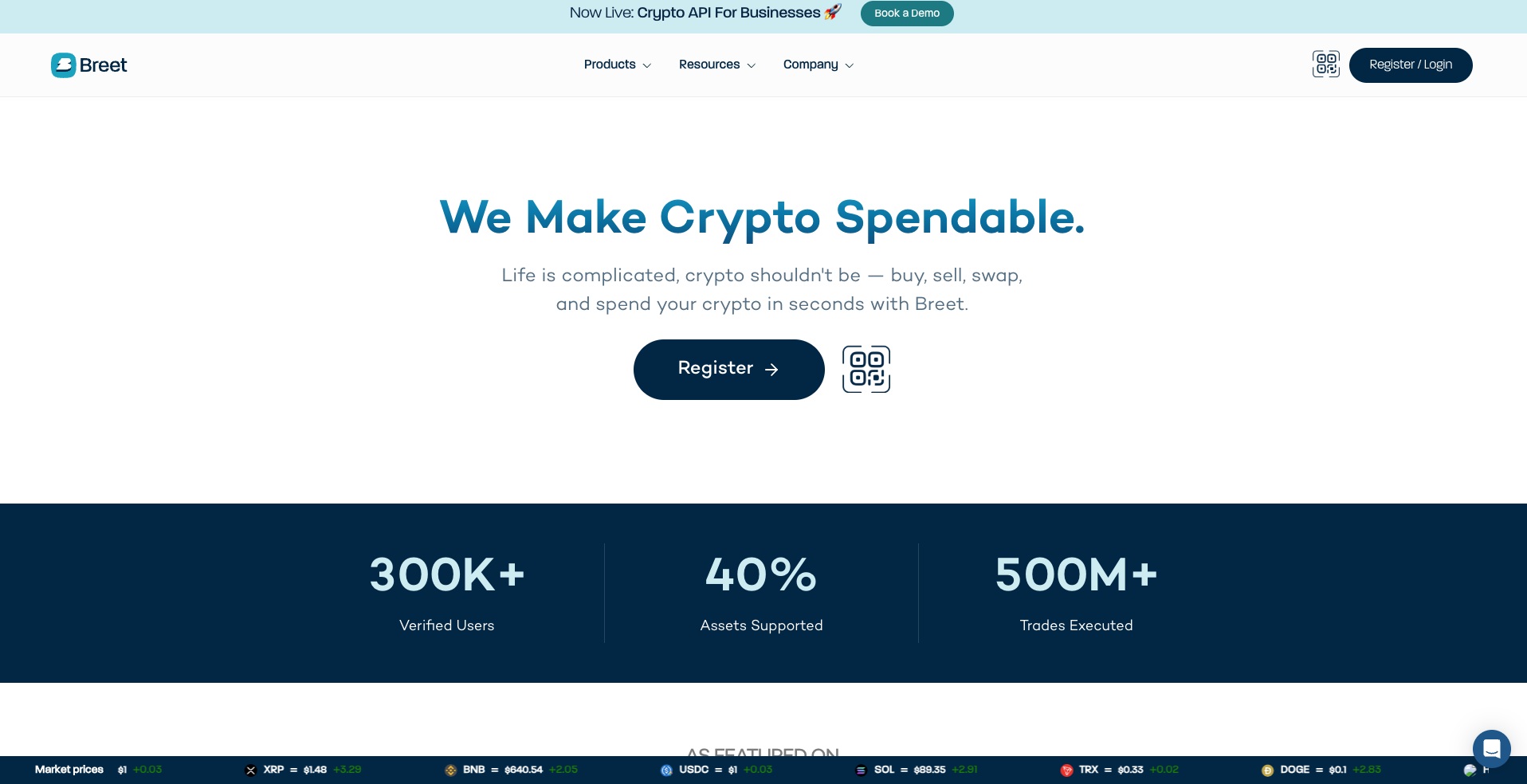
Breet also provides a comparable off-ramp experience, which is intended to be used by users who often sell crypto to cash.
Key Features
• Custodial wallet within Breet app.
• Fast BTC-to-NGN conversion
• Supports 40+ cryptocurrencies
• KYC required
• 1.5% transaction fee
Pros
• Fast withdrawals
• Easy onboarding
• Strong naira exchange rates
• Perfect in the case of sellers who are frequent.
Cons
• Custodial (no key control)
• Not ideal for long-term HODLing
• Limited DeFi features
• Requires constant internet
Best For: Nigerians who frequently exchange Bitcoin to Naira and require an easy, quick withdrawal method.
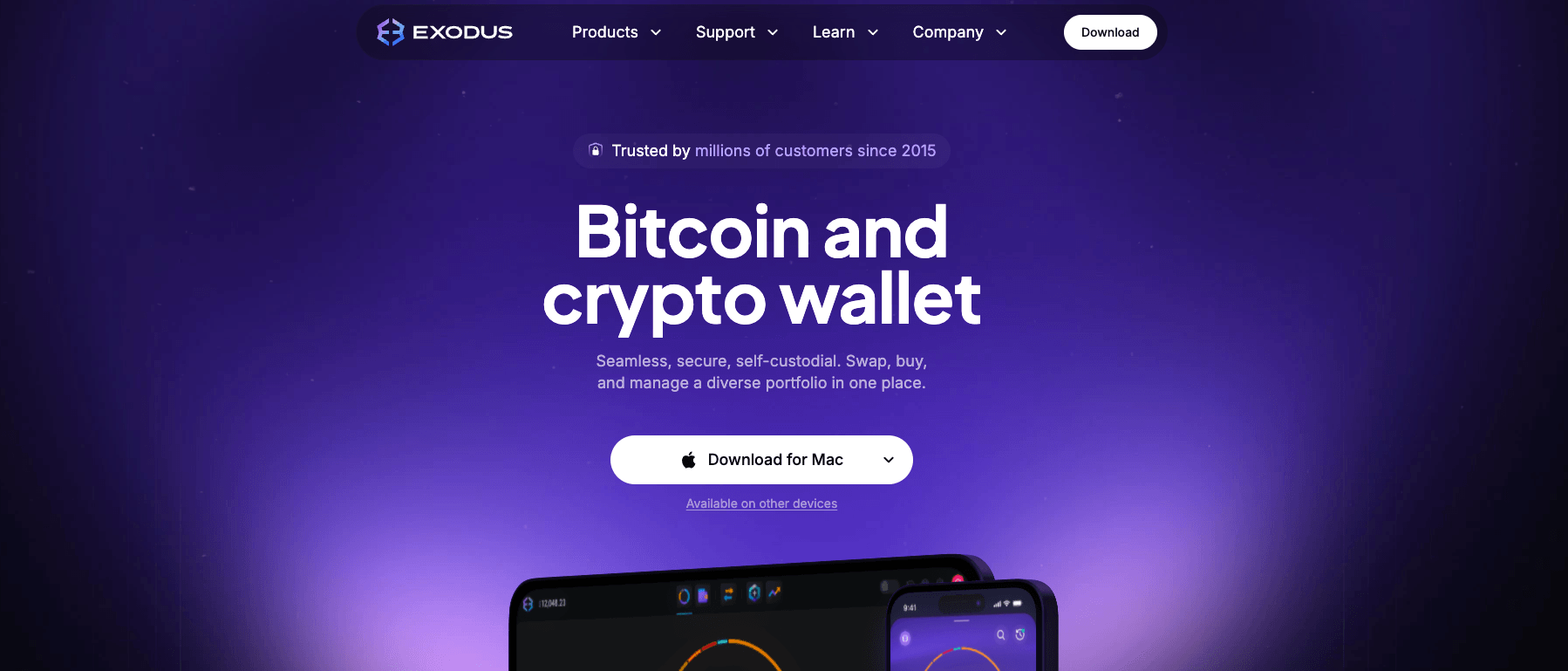
4. Exodus Wallet (The Best Desktop/Mobile Wallet for beginners)
One of the most user-friendly wallets on the market is Exodus. It combines ease of use with a visually polished interface.
Key Features
• Non-custodial software wallet, with desktop (Win, Mac, Linux) and mobile (iOS, Android)
• It supports over 100+ cryptocurrencies, including Bitcoin, Ethereum, Solana, etc
• Built-in swap feature across 1,000+ crypto pairs
• It is integrated with Trezor hardware wallet for added security
• 24/7 customer support
Pros
• It has a clean interface
• Multi-platform availability
• Built-in exchange
• No KYC for basic use
• Hardware wallet integration
Cons
• Closed-source code (it is less transparent)
• No NGN direct off-ramp
• Higher swap fees
• Not suitable with large long-term holdings alone
Best For: New users that are seeking a simple and all-in-one wallet experience across devices with no technical setup required.
5. Ledger Nano X (Best Hardware Wallet to be as secure as possible)
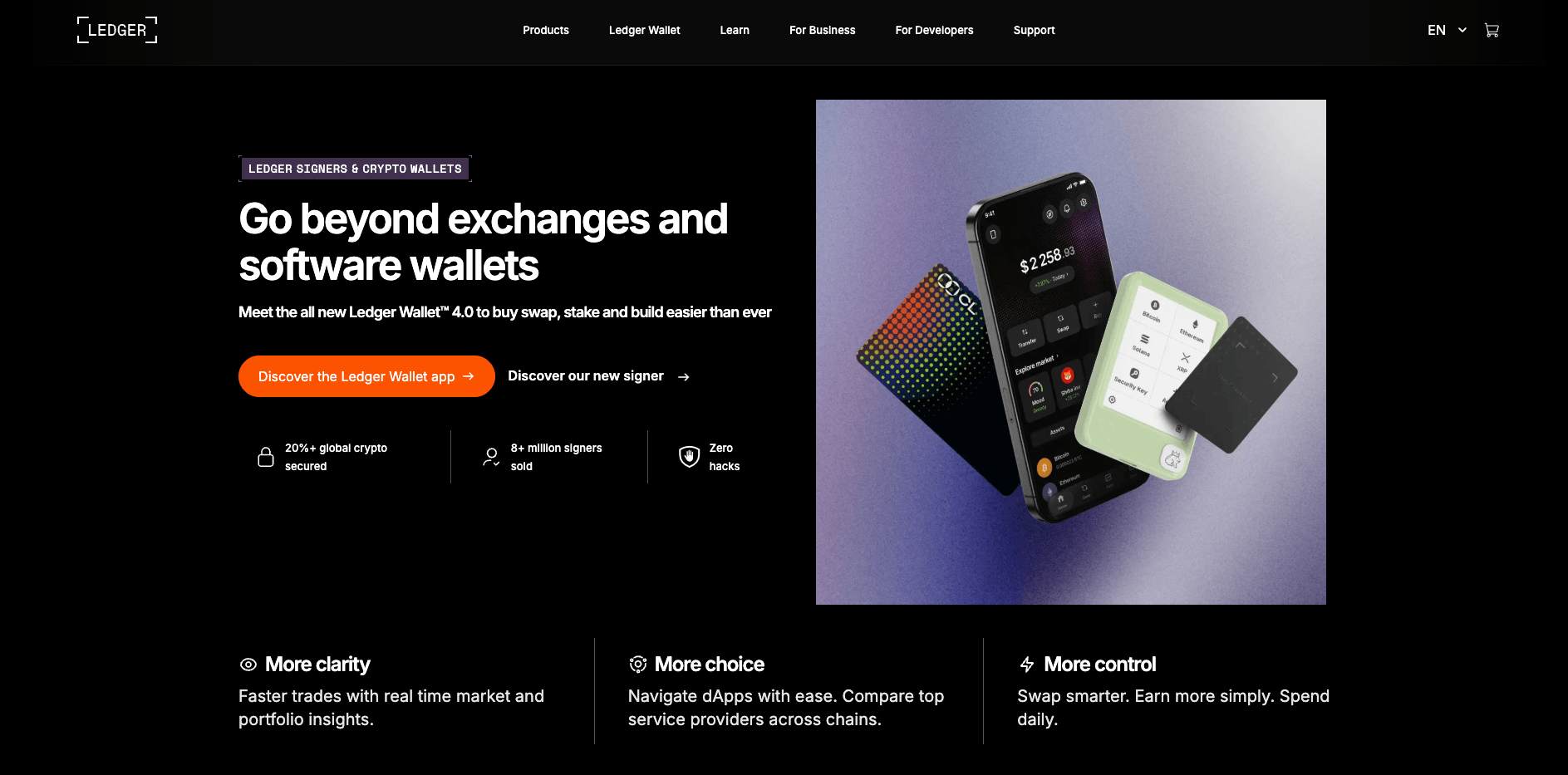
The Ledger Nano X is generally regarded as the gold standard of cold storage security, where the private keys are stored entirely offline, on a physical device.
Key Features
- Secure Element (SE) chip, with same technology used in passports and bank cards
- It supports over 5,500+ assets including Bitcoin
- It has a Bluetooth enabled for mobile use via the Ledger Live app
- It works with Ledger Live for portfolio management and staking
- It has a PIN protection with 24-word recovery phrase
- It has a cold storage hardware wallet that keeps private keys offline
Pros
• Protects against online attacks
• Wide asset support
• It has the highest security standard
• It has bluetooth for mobile convenience
Cons
• It is expensive, with hardware that cost about $149 USD
• It is not beginner-friendly
• Requires physical device
• No NGN withdrawal without pairing with an exchange
Best For: Nigerian HODLers with large amounts of Bitcoin who are interested in long-term security
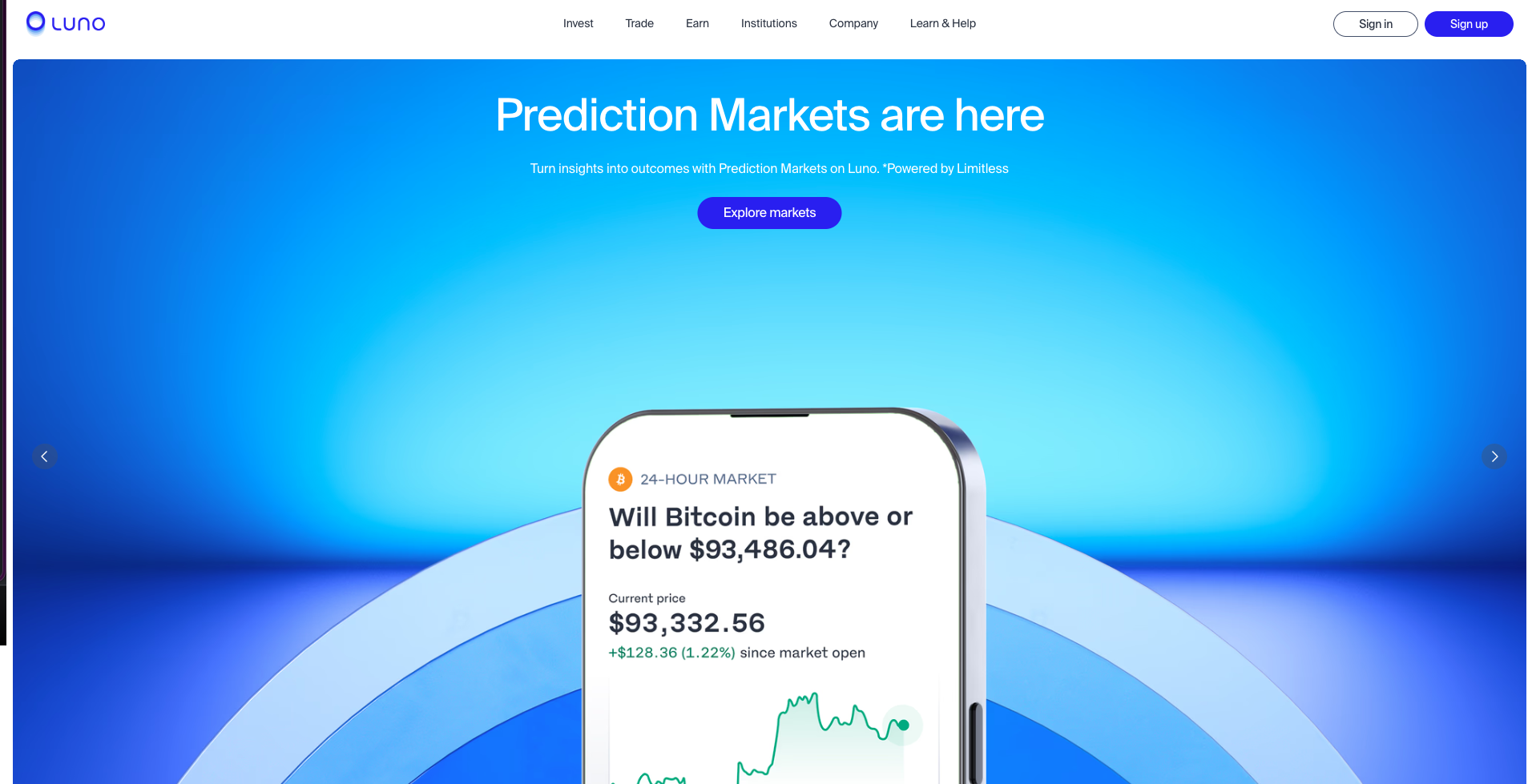
6. Luno Wallet (Best for Nigerian beginners who are venturing into crypto)
Luno Wallet is one of the easiest ways to introduce Nigerians to Bitcoin, with a simple interface and direct support to deposit and withdraw Naira.
Key Features
• Custodial wallet that Luno holds your keys
• Direct NGN deposits/withdrawals
• KYC required to access all features
• It features a 4% interest on BTC savings
• It has a simple, beginner-oriented app interface that is available on iOS, Android, and web
Pros
- Supports NGN deposits and withdrawals
- Easiest on-ramp for beginners
- It has become a well-known brand in Nigeria
Cons
- It is custodial with Luno controlling the keys
- Limited to fewer crypto assets
- Not for advanced DeFi
- Slower customer support response times
Best For: Beginners in Nigeria who want the simplest way to buy Bitcoin with Naira and earn passive interest.
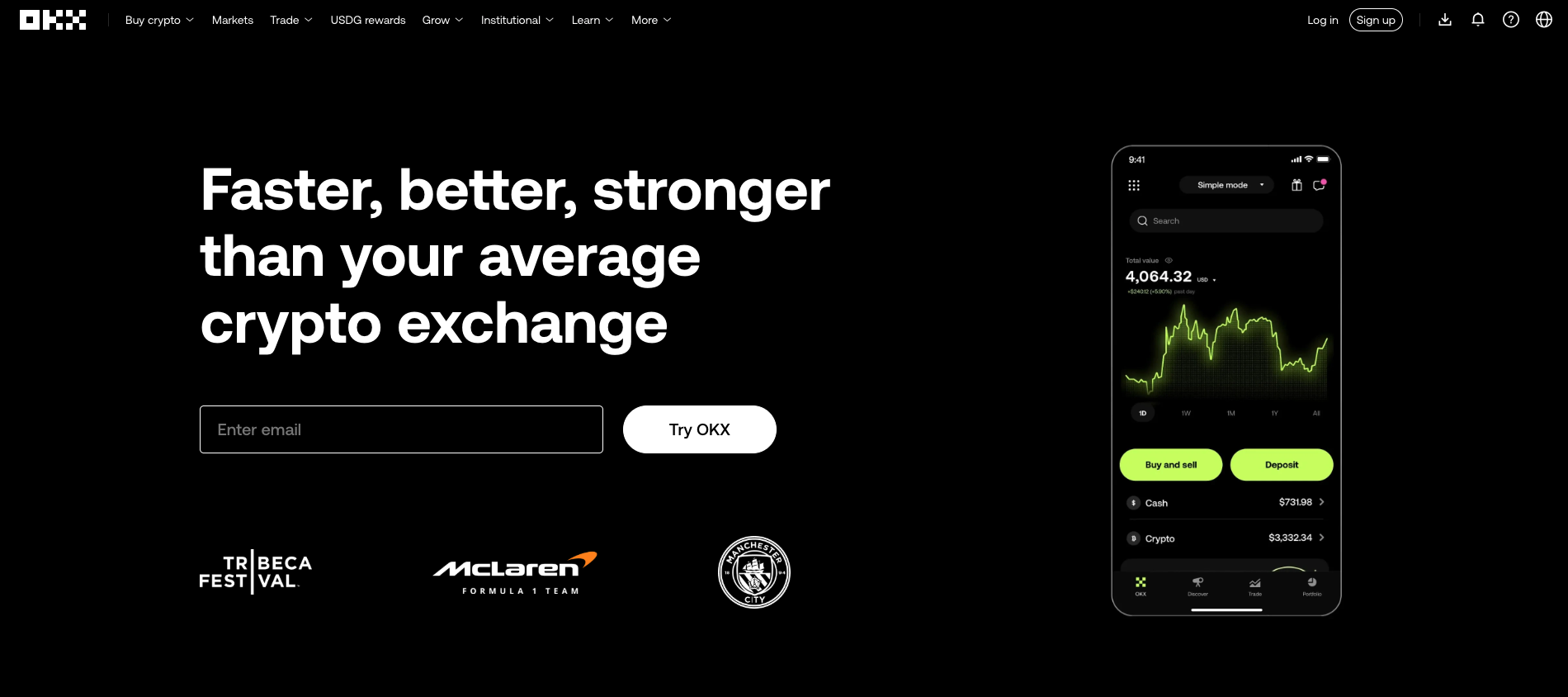
7. OKX Wallet (Best non-custodial Web3 wallet with broad chain support)
OKX Wallet is a highly robust non-custodial Web3 wallet targeting Nigerian users who desire profound access to DeFi, dApps and multi-chain crypto ecosystems.
Key Features
- Built-in DEX, staking, and dApp browser
- Zero-fee P2P trading platform on OKX exchange
- It is a fully non-custodial Web3 wallet, where user controls private keys
- It supports 130+ blockchains including Bitcoin
- Multi-layer security including biometrics and PIN
- Available on iOS, Android, and as browser extension
Pros
- Self-custody with Web3 access
- Huge blockchain support
- Zero-fee P2P available
- Advanced DeFi features
Cons
- It has a steeper learning curve
- It has no explicit NGN withdrawal as NGN support is only through P2P and not direct
- Risk in case of seed phrase loss. Loss of seed phrase will result to loss of funds
Best For: Intermediate-to-advanced Nigerian crypto users who want deep Web3 access and control over their assets across many chains.
8. Electrum Wallet (Best lightweight Bitcoin-only wallet for privacy-conscious users)
Electrum is an old, Bitcoin-only wallet designed to suit users that require speed, privacy and high level of control without all the unnecessary features and altcoin distractions.
Key Features
- It is used for Bitcoin wallet only
- It is lightweight and fast; there is no need to download full blockchain
- Open-source and highly trusted since 2011
- Supports hardware wallets (Ledger, Trezor, KeepKey)
- Advanced features: multi-signature, custom transaction fees, Lightning Network
- Available on Windows, Mac, Linux, and Android
Pros
- It is very secured and trusted
- Open-source code
- Lightning network support
- Hardware wallet integration
Cons
- It is not beginner-friendly, the UI is complex
- No NGN off-ramp
- No iOS app
- Technical setup required
Best For: Tech-savvy Nigerian Bitcoin purists who want maximum control, low fees, and open-source transparency.
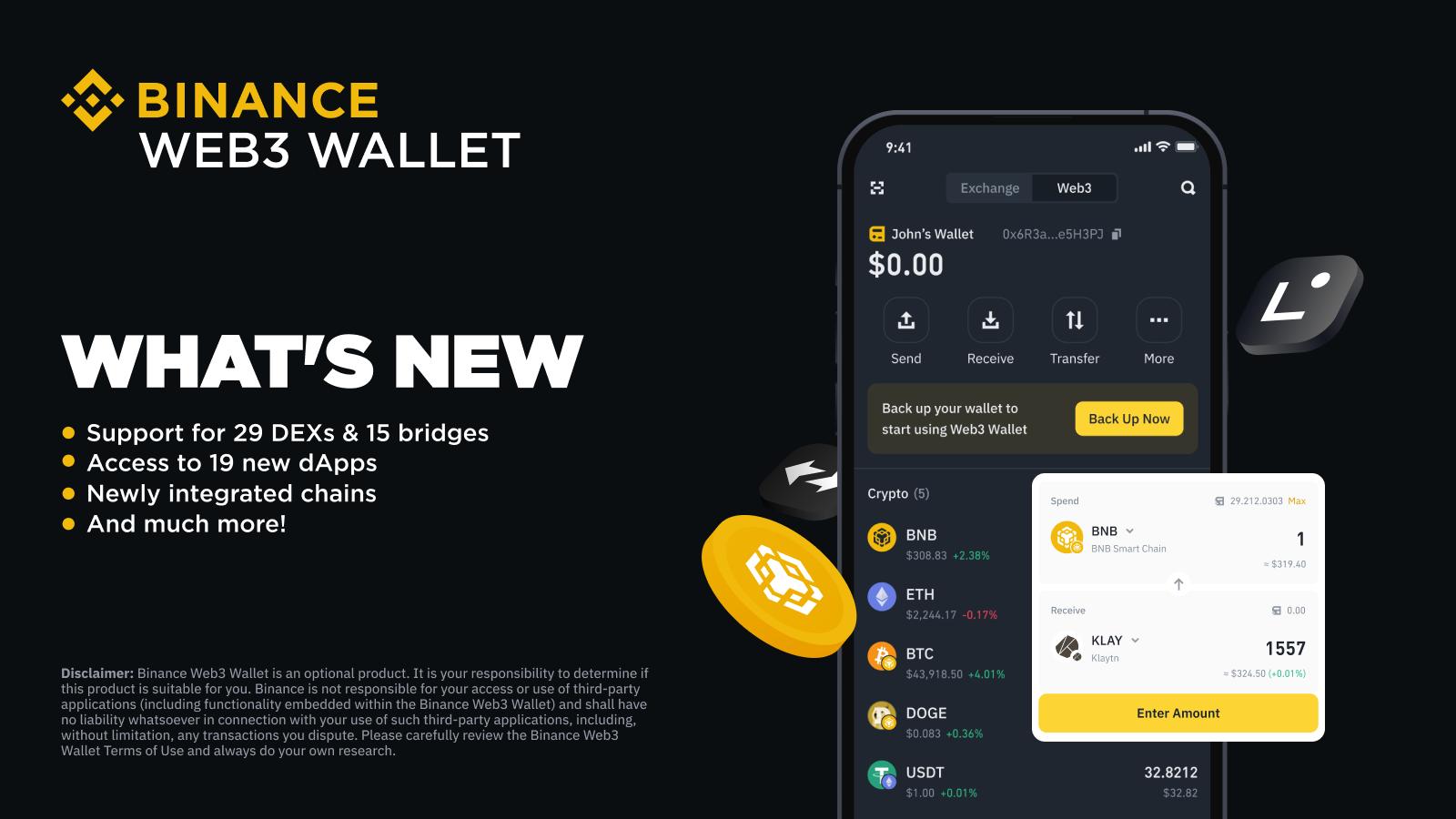
9. Binance Web3 Wallet (Best for Nigerians already using Binance for trading)
The Binance Web3 Wallet is a natural extension of the Binance ecosystem and is conveniently located in the pockets of the already existing traders and users of P2P on the platform.
Key Features
- Non-custodial Web3 wallet built directly into the Binance app
- Supports Bitcoin and thousands of tokens across multiple chains
- Zero-fee P2P trading with NGN support via Binance P2P
- MPC (Multi-Party Computation) key security; there is no seed phrase needed.
- Integrated with Binance DEX, DeFi, and staking features
- It is available on iOS and Android
Pros
- Seamless Binance integration
- Direct NGN via P2P
- No seed phrase
- Huge asset selection
- Trusted global brand
Cons
- Requires KYC
- Binance has had regulatory friction in Nigeria
- Not ideal as a standalone wallet
- Custodial exchange component raises counterparty risk
Best For: Nigerians who already use Binance for trading and want a connected Web3 wallet with easy P2P Naira support.
10. Coinomi Wallet (Best multi-coin wallet with built-in privacy features)
Coinomi Wallet is a multi-asset wallet that is highly distinguished by its great privacy features and long-term reputation among users who want to remain anonymous and in control.
Key Features
- Non-custodial mobile and desktop wallet supporting 1,770+ assets
- Built-in ShapeShift and Changelly exchange for in-wallet swaps
- Privacy-focused: hides IP address by default via SPV nodes
- Supports Bitcoin, Ethereum, Litecoin, USDT, and many more
- No KYC required for basic wallet use
- Available on Android, iOS, Windows, Mac, and Linux
Pros
- It has strong privacy features
- It requires no KYC
- It has large asset support
- It is free to use
- It has a long-standing reputation since 2014
Cons
- Closed-source code (despite claiming security)
- No NGN direct off-ramp
- Swap fees can be high
- Limited customer support
Best For: Privacy-conscious Nigerian users who want a versatile multi-coin wallet with no KYC and strong coin support.
11. SafePal Wallet (Best budget hardware wallet option for Nigerians)
SafePal is a great product to start with cold storage. It is a hardware wallet device with a mobile application that is affordable enough to attract the attention of cost-conscious Nigerian users.
Key Features
- Hybrid wallet: hardware device (S1) + software app (iOS & Android)
- Hardware device is fully air-gapped; it has no Bluetooth, Wi-Fi, or USB when signing
- It supports 30,000+ crypto assets including Bitcoin
- Software wallet (SafePal App) is free and non-custodial
- Integrated with Binance for buying crypto
- Hardware device costs $50, making it more affordable than Ledger
Pros
- It has affordable cold storage option
- It has a strong security
- Free software wallet
- Beginner-friendly setup
- Large asset support
Cons
- The hardware device must be purchased
- Less established brand than Ledger/Trezor
- Software wallet is custodial via Binance integration
- No NGN direct withdrawal
Best For: Cost-conscious Nigerian HODLers who want cold storage security without the premium price of a Ledger or Trezor.
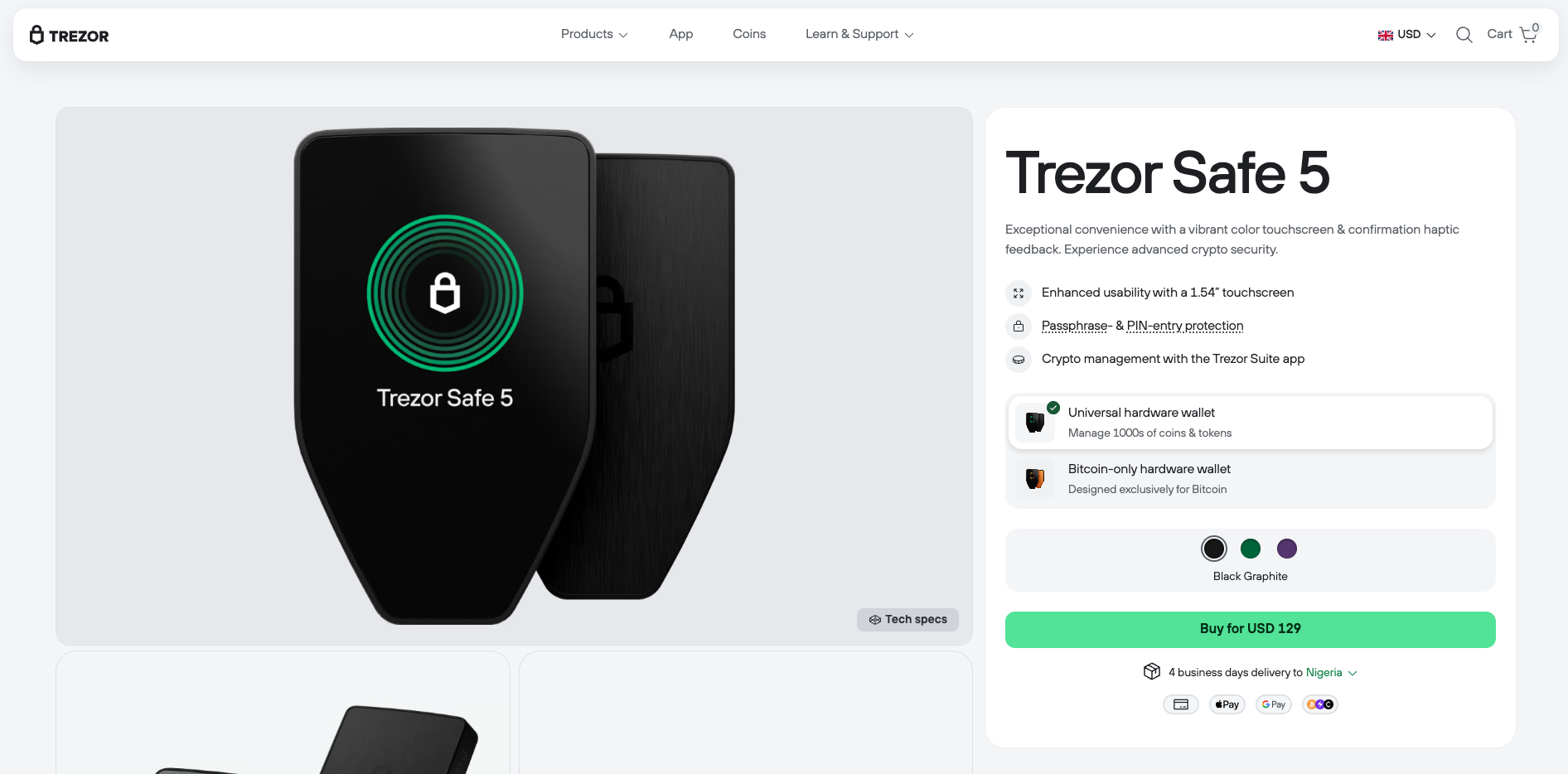
12. Trezor Model T (Best open-source hardware wallet for advanced security)
Trezor Model T is a high-end hardware wallet that can be purchased by advanced users who value full transparency, providing fully open-source firmware and strong security measures.
Key Features
- Premium open-source hardware wallet; the firmware is publicly auditable
- Supports 1,800+ coins and tokens including Bitcoin
- Full-color touchscreen for easy on-device navigation
- Works with third-party wallets: Exodus, Electrum, MetaMask, and more
- Shamir Backup that splits your recovery key across multiple locations for extra safety
- PIN + optional passphrase protection
Pros
- Open-source and auditable, making the security to be transparent
- Advanced backup
- Wide third-party compatibility
- Strong long-term track record
Cons
- It is expensive, as it costs about $179 USD
- It is for Bitcoin only through Trezor Suite; altcoins need third-party app
- No NGN withdrawal without pairing with exchange
- Physical device can be lost or stolen
Best For: Advanced Nigerian Bitcoin investors and security enthusiasts who want a fully open-source, auditable hardware wallet for long-term cold storage.
How to Choose the Right Bitcoin Wallet for Your Needs in Nigeria
The best Bitcoin wallet in Nigeria is not a one-size-fits-all option as it depends in part on what you are planning to do with your crypto. Different wallets are used to serve respective purposes and knowing your main purpose will help you to make the correct decision.
- For beginners, simplicity and ease of use must be the first thing with regard to beginners. You can store, send, and receive Bitcoin via wallets such as Trust Wallet or Luno, without having to interact with complicated tools.
- For frequent sellers that regularly convert Bitcoin into Naira, then the speed and reliability of withdrawal is more important than the features of storage. In this case, platforms like Dtunes or Breet will be more appropriate as they are aimed at the rapid conversion of crypto-to-Naira.
- To active traders, particularly those operating in P2P or decentralised finance, wallets linked to a larger ecosystem like Binance or OKX are more flexible, including the ability to access trading solutions, liquidity, and various blockchain networks.
- Conversely, long-term holders (HODLers) who are accumulating large sums of Bitcoin need to prioritize security as a prime consideration. Hardware wallets such as the Ledger Nano X or Trezor Model T store your private keys offline, and this exposure to online threats is greatly reduced.
Practically, the greater number of Nigerian users can take advantage of combining two or more wallets as opposed to using one. As an example, you may store your Bitcoin safely in a Trust Wallet, so that you can access it daily, but when you need cash, transfer it to Dtunes to convert it to Naira in a few seconds and without any security issues. Such a hybrid solution provides you with control and convenience.
How to Open a Bitcoin Wallet in Nigeria (Step-by-Step)
It takes a few minutes to create a Bitcoin wallet, even when you are totally new to crypto. In the case of Trust Wallet, the following is how one can get started:
1. Install the application
To install the Trust Wallet app, visit the official app store of your device or the official web site of Trust Wallet to download the app. Always make sure that you are using the right source to prevent fake or malicious versions.
2. Make a wallet of your own
Launch the application and choose the option of creating a new wallet. This process is normally less than a minute.
3. Get your recovery phrase secure.
A 12-word recovery phrase will be provided to you. This is the most significant section of your wallet arrangement. Note down and keep it in a safe place offline, whoever can access it can manipulate your money.
4. Enable additional security
Install a PIN or fingerprint or face identification to provide an additional security level to your wallet.
5. Take Bitcoin in your wallet
After being set up, you can accept Bitcoin by pasting your wallet address and sending it to the sender, or by scanning a QR code.
6. Turn Bitcoin to Naira when necessary
Once you are ready to withdraw, you can send your Bitcoin to Dtunes where it can be converted to Naira and paid directly into your bank account within minutes.
These steps will allow you to start with nothing and within a few minutes, you will be able to set up and control your funds in relation to Bitcoin.
Download the Dtunes app. The smartest approach is not choosing just one wallet, but combining the right tools for storage, trading, and withdrawal. To convert USDT to naira quickly without stress.Conclusion
Choosing the best bitcoin wallet in Nigeria ultimately comes down to how you plan to use your crypto. For most users, Trust Wallet remains the best all-round option for storage and flexibility, while hardware wallets like Ledger are ideal for long-term security. When it comes to converting Bitcoin into Naira quickly and safely, platforms like Dtunes complete the picture.
Frequently Asked Questions (FAQ)
What is the safest Bitcoin wallet in Nigeria?
Hardware wallets like Ledger and Trezor offer the highest security because they store keys offline.
What happens if I lose access to my Bitcoin wallet?
It depends on the type of wallet you use. If you use a non-custodial wallet, you can recover your funds using your recovery (seed) phrase; this is why it must be stored safely. However, if you lose both your device and your recovery phrase, your funds are permanently lost. For custodial wallets, you may be able to regain access through account recovery options like email verification or KYC, since the platform controls the keys.
Is it legal to use Bitcoin wallets in Nigeria?
Yes. Crypto usage is legal, but banks cannot directly process crypto transactions due to CBN restrictions.
Is Trust Wallet safe to use in Nigeria?
Yes, trust Wallet is generally safe to use in Nigeria, especially because it is a non-custodial wallet, meaning you control your private keys and funds. Its security largely depends on how well you protect your recovery phrase and device.
Can I withdraw Bitcoin to my Nigerian bank account?
Not directly. You need platforms like Dtunes or P2P exchanges. OTC platforms like Dtunes are the fastest and most reliable when it comes to exchanging your crypto directly to your bank accounts.
Which Bitcoin wallet supports Naira (NGN) withdrawal?
Most traditional wallets do not support direct Naira withdrawal. To convert Bitcoin into cash, Nigerians typically use off-ramp platforms like Dtunes or Breet, which allow you to send Bitcoin and receive Naira directly into your bank account. Some exchange wallets like Luno also support NGN withdrawals, while platforms like Binance rely on P2P trading for Naira access.
What is the best Bitcoin wallet for beginners?
Trust Wallet and Luno are the easiest starting points.
What is the difference between a custodial and non-custodial wallet?
The key difference lies in who controls your private keys. In a custodial wallet, a company (like Luno) holds your keys on your behalf, which makes it easier to use but means you don’t have full control over your funds. In contrast, a non-custodial wallet like Trust Wallet gives you complete ownership of your keys and crypto, but also places full responsibility for security and recovery on you.
Do I need KYC to use a Bitcoin wallet?
On-custodial wallets don’t require KYC, but exchanges and off-ramps usually do.
Can I use Coinbase in Nigeria?
Yes, Nigerians can access Coinbase, but its functionality is limited. You can use it to store and manage crypto, but buying, selling, or withdrawing directly in Naira is not supported. Because of this, many Nigerian users prefer alternatives that better support local needs, such as P2P platforms or direct conversion services like Dtunes.

Emmanuel is in the business of turning keyword research into contents that ranks and converts. He has been doing this for 5 years, focusing on clear structure, search intent, and on-page optimization. You can catch his attention with any crypto, tech, or political related discussion.