

How to Convert Upwork USDT to Naira in Nigeria: The Full 2026 Workflow for Freelancers
The question on ‘how to withdraw Upwork USDT in Nigeria’ is a question many freelancers have been trying to gain clarity on.
They go about social media and google search engines asking the same question with the hope of getting an answer that perfectly addresses this area of confusion.
Does Upwork pay in USDT?
Upwork doesn’t pay you in USDT. Simple. Upwork only pays in USD via Direct to bank, wire transfer, Payoneer or Paypal.
As said previously, your curiosity isn’t strange or surprising. Many freelancers are on the lookout for a better means of getting paid, which raises the question “How can I convert USDT to naira on upwork?” What you actually need is a workflow that takes your USD and routes it through USDT. That workflow is real, especially in 2026.
How Upwork Payments Work
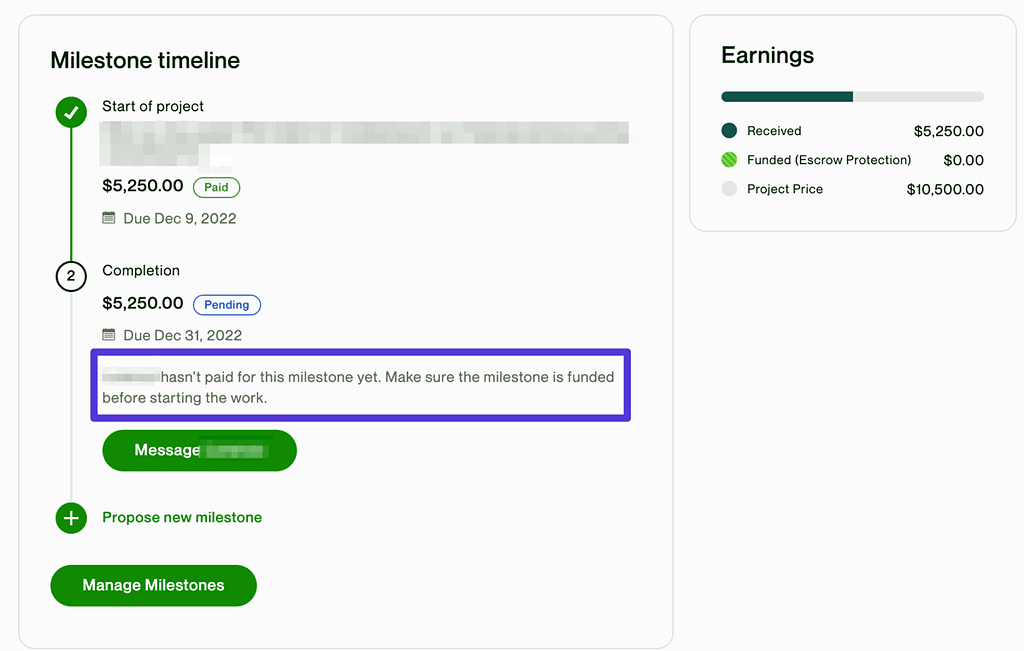
It is one of the cleverest ways for Nigerian freelancers to withdraw foreign monies. Instead of withdrawing the dollars via Payoneer and bearing an excruciating FX markup, many freelancers now transact via bridge platforms such as Cleva, Raenest, or Acctual to convert to USDT, and then sell the USDT for naira via OTC applications like Dtunes. The reason is simple: the traditional withdrawal stack has become expensive.
A freelancer withdrawing $1,000 monthly through Payoneer can lose over ₦75,000 due to withdrawal fee, hidden exchange-rate, annual account fee, and possible delay in settlement process.
The time factor is very important. If rent, subscriptions or salaries are due or client expenses are due the same day, it’s important to make sure that the settlement occurs the same day.
This guide breaks down the complete workflow Nigerian freelancers are using in 2026, which includes:
- the bridge platforms that connect Upwork USD to USDT,
- the real fees attached to each route,
- how long the process takes,
- and how to convert the final USDT into naira with the least possible friction.
By the end, you’ll understand exactly how freelancers move from:
Upwork USD → USDT → Nigerian bank account — often within the same day.
Why Upwork Doesn’t Offer Native USDT Withdrawals (And Why You Should Care)
Upwork has not been offering direct crypto withdrawals for years despite the requests of freelancers. Upwork stablecoin payment in Nigeria is thereby not yet activated as you won’t find a “Withdraw as USDT” button inside the platform. All official payouts continue to be fiat rails:
- Direct to U.S. Bank
- Wire Transfer
- Payoneer
- PayPal
It is primarily due to regulation. Regulatory compliance concerning Crypto payouts comes with extra requirements for KYC, AML, sanctions screening, and international money transfer regulation. While adding stablecoin withdrawals is a more complex legal process than the regular USD banking rails, it’s not impossible for a global platform such as Upwork, which has dozens of jurisdictions.
Well, the point is that each “Upwork to USDT” process is actually reliant on a middle layer. That middle layer is now known as a bridge platform by freelancers. A bridge platform provides you with a virtual USD account, U.S. banking details, ACH receiving capability, and in some cases, direct USD → USDT conversion. Practically, the bridge is like your own U.S. bank account that converts Upwork dollars to naira crypto.
Look at this, a Lagos-based UI/UX freelancer, Adaobi, no longer pulls funds directly from her Upwork account to her Nigerian bank. Instead, her revenue from Upwork is deposited in Cleva, a portion of it is converted to USDT, transferred to Dtunes using TRC20 and cashed out the same day in naira.
This workflow may seem complex at first, but once it is set up, it is typically quicker and easier than regular Payoneer withdrawals, more importantly, it retains more of your money.
The Bridge Platforms Nigerian Freelancers Use in 2026
The most common misunderstanding in the “Upwork USDT withdrawals” is the belief that Dtunes, Cleva or Raenest is going to replace Upwork. No! They are not. In fact, many people who are very familiar with the operation of these platforms find this misunderstanding very hilarious. Upwork continues to pay in USD and these platforms are mere facilitators that enable freelancers to get that USD into crypto paths more efficiently.
Here are the major bridge platforms freelancers currently use.
| Platform | Upwork Deposit Fee | USD → USDT Fee | Speed to USDT | Supported Networks | Best For |
| Upwork to Cleva | Free (waiver active through 2026) | 1% conversion | Same-day | USDT/USDC (TRC20, ERC20) | High-volume Upwork freelancers |
| Acctual | $0 | 1% flat fee | Same-day | Multi-chain USDT/USDC | Freelancers with invoice clients |
| Raenest | 4 free deposits/month, then $1 ACH | 0% conversion | Same-day | USDT/USDC | Multi-currency earners |
| Cenoa | Free | Low spread | Same-day | USDT/USDC | Hybrid USD + crypto users |
| Payoneer | $4 + 3.5% FX markup | Not supported | N/A | None | Traditional fiat withdrawals only |
Cleva — The Simplest Upwork-to-USDT Workflow
Cleva has now become the default recommendation for most Nigerian freelancers, simply because the workflow appears simple and straightforward. Here, your Upwork earnings are deposited into a virtual USD account which you can exchange for USDT directly in the app. You can read on how to withdraw from upwork through Cleva by checking their official platform.
The best thing about the platform is that it is easy to operate. Here are some features that distinguishes Cleva from other platforms:
- Free Upwork ACH deposits
- Familiar banking-style interface
- same-day stablecoin conversion
- A relatively predictable and straightforward fee structure.
For freelancers who are withdrawing regularly, Cleva does not charge a fee to convert your USD, nor do they charge a fee to withdraw that funds. While the swap itself is free, moving the crypto out of Cleva to an external network (like your OTC platform) requires a standard network transaction fee. Cleva charges a flat fee of $1.00 for USDT/USDC transfers. Isn’t that superb?
Raenest — Strong for Multi-Client Freelancers
Raenest is particularly suitable for freelancers who earn from multiple sources like Upwork, direct international clients, Deel, Wise, or agency payments. The platform provides users with several receiving accounts and provides greater flexibility for receiving balances in various currencies. That flexibility is important to freelancers who aren’t urgently in need of naira.
Acctual — Best for Direct Stablecoin Operations
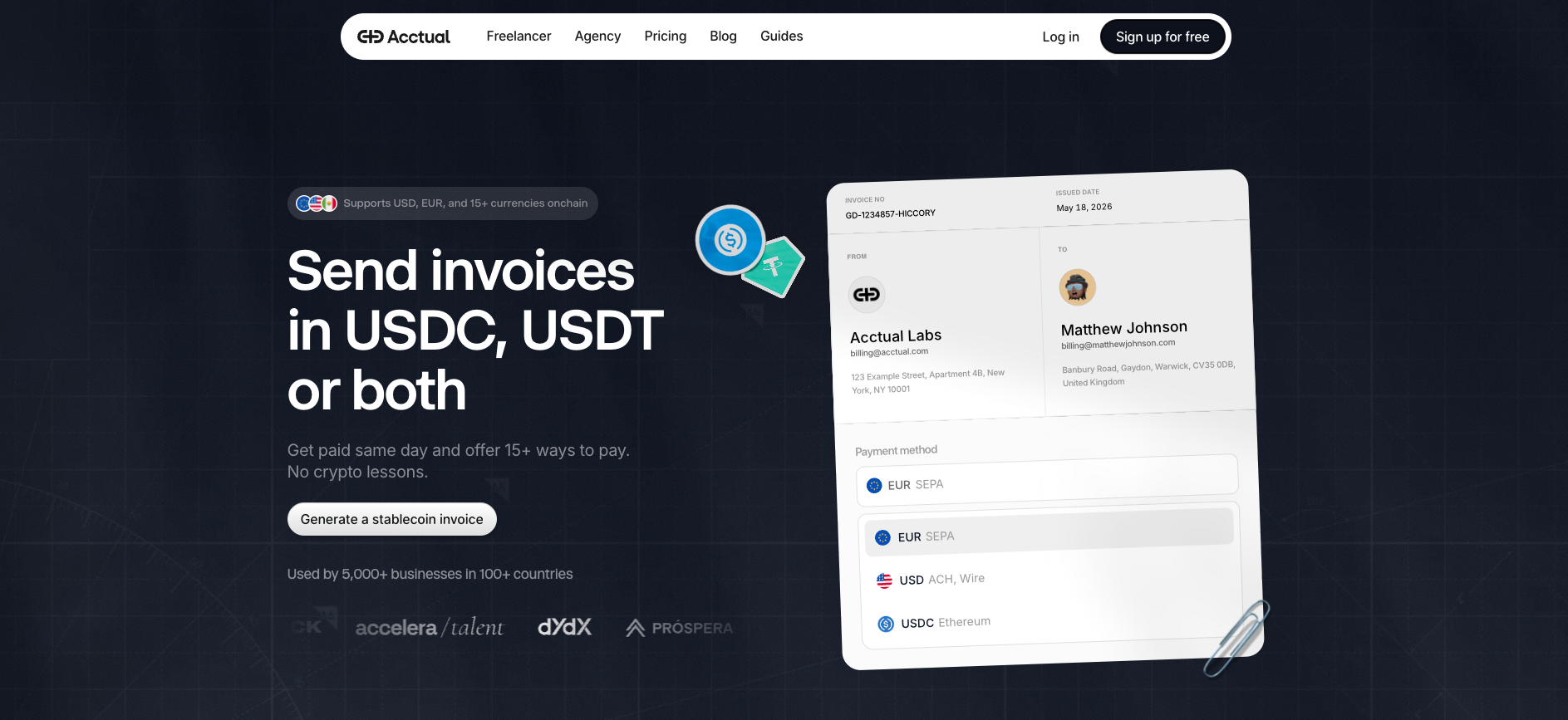
Acctual is a little crypto native than Cleva. It is ideal for freelancers who are accustomed to using wallets, stablecoins, and crypto-related dealings. It has a strong emphasis on invoice-based workflows and stablecoin infrastructure, favoring Web3 contractors, developers, and designers who are already getting paid in crypto.
Important Clarification About Dtunes
Dtunes is not one of the bridge platforms. Dtunes is the last conversion layer: USDT → naira. That distinction matters because many competing articles blur these steps together and confuse readers. The actual workflow looks like this:
Upwork → Bridge Platform → USDT → Dtunes → Nigerian Bank Account.
Knowing the sequence helps to make things easier.
The Full Workflow: Upwork → USDT → Naira in 4 Steps
Once you understand the structure, the workflow becomes surprisingly simple.
Step 1 — Create a Bridge Platform Account
Start by registering on a bridge platform like Cleva, Raenest, or Acctual. To do this, you’ll need to complete your KYC verification, BVN/NIN submission, identity checks, and account activation.
After approval, the platform gives you:
- a virtual U.S. bank account,
- routing number,
- and ACH receiving details.
This is what you’ll connect to Upwork.
Step 2 — Add the Bridge Account Inside Upwork
On Upwork:
• Go to Settings
• Click Get Paid
• Choose Add a Withdrawal Method
• Then select Direct to U.S. Bank (USD)
You’ll enter the routing number and account details provided by your bridge platform. To Upwork, it is just a normal U.S. dollar bank account. There are no terms of Upwork policy that are violated in this. That is significant as many freelancers believe that crypto-related withdrawals are not allowed. Upwork is not concerned with the destination of the withdrawal. Upwork only is concerned with whether or not the withdrawal destination is valid and compliant.
Step 3 — Convert Your USD Balance Into USDT
To convert your USD to USDT, funds are released by Upwork, and as soon as they’re received in your Cleva, Raenest or Acctual, they can be converted to USDT. Most freelancers prefer TRC20 USDT because the network charges are typically around $1. ERC20 also supports this but smaller withdrawals using this network are inefficient due to Ethereum gas fees.
At this stage, your workflow is now moved from traditional banking to crypto rails. That’s where the speed benefit is apparent. With international settlement, the process takes several business days, but with stablecoin transactions, it usually takes only a few minutes.
Step 4 — Sell USDT for Naira on Dtunes
Here you will sell USDT to Naira on Dtunes. When you receive USDT to your Dtunes wallet, the final step is simple. You:
- Open Dtunes
- Tap “Sell USDT,”
- Confirm the rate shown and,
- Get naira directly in your Nigerian bank account.
For most of the users the payouts will arrive within 5–10 minutes. That difference in speed is so significant that it is not emphasized enough by many articles. A freelancer waiting for payment from Payoneer might have to wait for 3–5 business days. Within that time, he might not be able to meet the deadline to pay his house rent and other urgent expenses like subscription renewals, payroll obligations, etc.
In the crypto path, the whole transaction process is drastically shortened due to the number of intermediaries involved.
The Math — $1,000 Upwork Withdrawal, Three Real Routes
Most articles avoid a detailed breakdown section like this. They talk about “lower fees” vaguely without showing actual numbers. Let’s use the same benchmark across all routes and see full USDT to naira fee breakdown
Assumptions Used
- Upwork balance: $1,000
- User location: Lagos
- Destination bank: GTBank
- USD benchmark: ₦1,377 Per dollar
- Dtunes OTC spread: 1%
- Network: TRC20
Perfect mid-market value:
$1,000 ≈ ₦1,377,000
That becomes our benchmark.
Route A — Traditional Payoneer Withdrawal
| Step | Cost |
| Upwork → Payoneer | $2 |
| Payoneer annual maintenance | $2.50 monthly equivalent |
| Payoneer FX markup | 3.5% |
| Effective exchange rate | $963 |
| Final payout (₦1,328/$) | ₦1,278,864 |
| Time | 2–5 business days |
This totals 92.87% of mid-market
What Actually Hurts Here
Most freelancers notice the visible fees. What they often miss is the FX spread. That hidden exchange-rate difference is where the largest losses occur. Payoneer’s conversion rate may look close to market value at first glance, but across larger withdrawals, the gap compounds extensively. For a freelancer withdrawing monthly, the yearly loss becomes substantial.
Route B — Direct Bank Withdrawal (USD → Nigerian Bank)
| Step | Cost |
| Upwork withdrawal fee | $0.99 |
| Nigerian bank FX spread | 2–3% |
| Effective USD value after fees | $999 |
| Effective exchange rate | ₦1,335/$ |
| Final payout | ₦1,333,665 |
| Time | 1–3 business days |
This makes a total of 96.85% of mid-market
Why This Route Is Better Than Most Freelancers Think
One thing that is not always considered is direct bank withdrawal, as freelancers believe that local banks will always have poor rates. This is no longer the case. In fact, direct USD bank withdrawal can retain much more funds than Payoneer. For freelancers uncomfortable with crypto, this is still a strong option.
The downside is mostly speed where you spend up to 3 days for the withdrawal process. Another shortcoming is that you lose the ability to hold stablecoins, move funds globally, or separate conversion timing from withdrawal timing.
Route C — Upwork → Cleva → USDT → Dtunes
| Step | Cost |
| Upwork → Cleva ACH | Free |
| Cleva USD → USDT conversion | 0% |
| TRC20 transfer fee | $1 |
| Net USDT | $999 |
| USDT reaching Dtunes | 999 USDT |
| Dtunes sell rate (₦1,363) | ₦1,361,637 |
| Dtunes cashback | +₦6,808 |
| Final payout | ₦1,368,445 |
| Time | Same-day to under 24 hours |
This represents 98.4%. This is still best way to withdraw from Upwork in Nigeria
NB: The rates used are typically the prevailing market rates as at the time of writing this article. For better insights on the peculiarity of each platform, kindly check their official website.
Why the Crypto Route Wins
It’s not like crypto is magical, that’s not the thing. It thrives due to the fact that there are less expensive middlemen. The traditional international withdrawals go through correspondent banks, FX processors, settlement partners, intermediary rails, and local banking systems. This route provides the fastest Upwork withdrawal to Nigeria in 2026.
The process is designed in each layer to extract value. The stablecoin path does that much of the infrastructure and simplifies the transfer process. This efficiency is reflected in the final amount that you get in naira.
The Verdict — Side by Side
| Route | Final Naira | % of Mid-Market | Speed | Loss vs Crypto |
| Cleva → Dtunes | ₦1,368,445 | 98.4% | Same-day | — |
| Direct Bank | ₦1,333,665 | 96.85% | 1–3 days | −₦21,082 |
| Payoneer | ₦1,278,864 | 92.87% | 2–5 days | −₦75,883 |
The most important insight here is not even the money. It’s the combination of higher retained value, faster settlement, and operational predictability. For freelancers getting unpredictable income or managing irregular cash flow, that combination matters enormously.
A freelancer withdrawing $1,000 monthly through the crypto route instead of Payoneer could retain roughly ₦910,000 extra annually. That’s not a rounding error anymore.
Common Concerns Addressed
Is This Legal in Nigeria? Will Upwork penalize me?
Of course not. Crypto and the entire process of cashing out on Upwork through crypto is completely legal in Nigeria. You do not violate any rule on Upwork by cashing-out through the crypto route. Ensure you select “Direct to U.S. Bank” on Upwork. What happens after the USD reaches your bridge platform is your financial decision.
Nigeria’s regulatory position toward crypto has evolved significantly since earlier banking restrictions. Under the Investment and Securities Act (ISA) 2025, digital assets now operate within a clearer legal framework. The bridge platforms (like Cleva) are all licensed financial institutions operating within US and Nigerian regulatory frameworks.
Having said that, freelancers should still:
- maintain proper records,
- declare taxable income,
- and operate through compliant platforms.
What if Upwork’s payment is delayed?
Upwork holds funds for 5 days (security period) on hourly contracts and immediately on fixed-price milestone releases. Bridge platforms typically credit ACH deposits 1–3 business days after Upwork releases. Once in the bridge platform, USD→USDT conversion is same-day. Crypto-to-naira on Dtunes is under 10 minutes.
Are there minimum or maximum amounts?
Minimum Upwork withdrawal for most of the routes is $100. Cleva, Raenest, and Acctual have lower minimum amounts for USD→USDT conversion. Dtunes has no minimum sell amount and supports up to ₦500,000 cumulative volume without KYC.
Why not just use P2P platforms to convert directly?
P2P platforms (Binance P2P, Bybit P2P) sometimes offer marginally better rates than OTC apps like Dtunes, but they introduce real counterparty risk. Fake payment alerts and EFCC account freezes are documented issues. Freelancers must learn how to avoid these risks. For most freelancers, the ₦5,000–₦15,000 rate advantage isn’t worth the operational risk.
When the Crypto Route May NOT Be Worth It
The crypto route is very efficient, although it does not guarantee a hundred percent efficiency. It’s not automatically the best choice for everyone especially in under the conditions below:
- You Withdraw Small Amounts Occasionally
If you only withdraw low earnings like $100 or $150, or random side-income that is within that range, then the setup time and stress may not worth the entire cash-out process.
- You Need to Hold USD
Some freelancers spend directly in USD for things like SaaS subscriptions, AWS hosting, Meta ads, Canva, or international tools. In that case, holding USD inside Cleva or Raenest may be smarter than converting immediately.
- You’re Uncomfortable With Crypto
This is also a valid reason. If for personal reasons, you don’t prefer this method, then it’s advisable you stick to your preferred method. However, it is still a fact that the Direct-to-Bank route still beats Payoneer significantly in many cases, just the way OTC beats P2P considerably.
Frequently Asked Questions
Does Upwork pay freelancers in USDT?
No. Upwork only makes payment in USD through Direct to Bank, Wire Transfer, Payoneer or PayPal. To receive your earnings through crypto rails, you need a bridge platform like Cleva, Raenest, or Acctual that converts USD into USDT.
Cleva vs Payoneer in Nigeria — Which Is Better for Freelancers?
Cleva is cheaper and faster than Payoneer for receiving international payments. Cleva offers free Upwork ACH deposits, supports USDT withdrawals, and typically delivers better conversion rates when routing funds through crypto. Payoneer remains widely accepted and reliable, but its 3.5% FX markup, withdrawal fees, and slower payout times make it more expensive for frequent withdrawals.
What is the fastest Upwork withdrawal method in Nigeria?
For many freelancers, the fastest operational route is:
Upwork → Cleva → USDT → Dtunes → Nigerian bank account.
Once the setup is complete, the final USDT-to-naira usually takes minutes.
What network should I use for USDT withdrawals?
The default recommendation (especially on Dtunes) is TRC20, this is because of its exceptional peculiarities, such as low fees, fast confirmations, and widespread support. On a down side, ERC20 tokens fees can become more expensive for smaller transfers
Can Upwork ban me for using bridge platforms?
No! From Upwork’s perspective, as long as you are withdrawing to a valid USD account, you’re not violating any rule. Whatever you do after withdrawing your funds from Upwork is in no way a concern to Upwork. That workflow is fully supported. If for any reason, your account gets restricted, reach out to the upwork help center as quickly as possible.
The Bottom Line
Upwork does not pay freelancers in USDT directly. But Nigerian freelancers can still route their earnings through USD → USDT → Naira using bridge platforms like Cleva, Raenest, or Acctual.
And in 2026, that workflow is often:
- faster,
- cheaper,
- and more efficient than traditional Payoneer withdrawals.
For a $1,000 withdrawal, the crypto route can preserve roughly ₦75,000 more than Payoneer, while also delivering funds the same day. Once you understand the structure, the workflow becomes very simple:
Upwork → Bridge Platform → USDT → Dtunes → Nigerian Bank Account
Set it up once. Save money every month afterward.

Emmanuel is in the business of turning keyword research into contents that ranks and converts. He has been doing this for 5 years, focusing on clear structure, search intent, and on-page optimization. You can catch his attention with any crypto, tech, or political related discussion.