

Top 8 Best Tether USDT Wallets in Nigeria 2026

Tether (USDT) has evolved far beyond being “just a stablecoin.” In Nigeria today, it functions as a digital dollar, a payment rail for freelancers, a hedge against naira volatility, and the most common bridge between crypto and local bank accounts.
As adoption grows you need to be careful about where you store your USDT safely without limiting access when you need to cash out.
Read Also
How To Verify Bitcoin On Cash App
Holding Crypto Too Long? 5 Hard Truths Crypto Traders in Nigeria Need to Hear
What Is a Bitcoin Exchange? How It Works, Fees, and Examples
Choosing the wrong wallet can lead to delayed transactions, unsupported networks, frozen funds, or unnecessary transfer fees. Choosing the right one gives you speed, control, and peace of mind.
This guide breaks down the 8 best USDT wallets Nigerians actually use in 2025, why they matter, and how to choose the one that fits your use case.
What Really Matters When Choosing a USDT Wallet in Nigeria
In theory, many wallets support USDT. In practice, not all of them work well for Nigerian users. A good USDT wallet must balance security, network support, and speed and ability to move funds when needed.
Network Support
USDT exists on multiple blockchains: TRC-20 (TRON), ERC-20 (Ethereum), BEP-20 (BNB Smart Chain), Solana, and others. In Nigeria, TRC-20 remains the most widely used because of low fees and fast confirmations. Any wallet you choose must clearly support the network you receive USDT on.
Security
Strong wallets offer PIN protection, biometrics, 2FA, and private-key control. Non-custodial wallets give full ownership, while custodial wallets trade some control for convenience. The best choice depends on how often you transact.
Speed
A wallet should not slow you down. Sending, receiving, and checking balances should be intuitive. For Nigerians, mobile-first wallets matter because most crypto activity happens on smartphones.
Ability to Move Funds When Needed
A wallet is only useful if you can actually use your money. This includes compatibility with exchanges, DeFi platforms, and most importantly, easy conversion to naira when it’s time to withdraw.
The 8 Best USDT Wallets Nigerians Use in 2026
Below are wallets that remain relevant, secure, and actively used as of 2025.
1. Dtunes Wallet
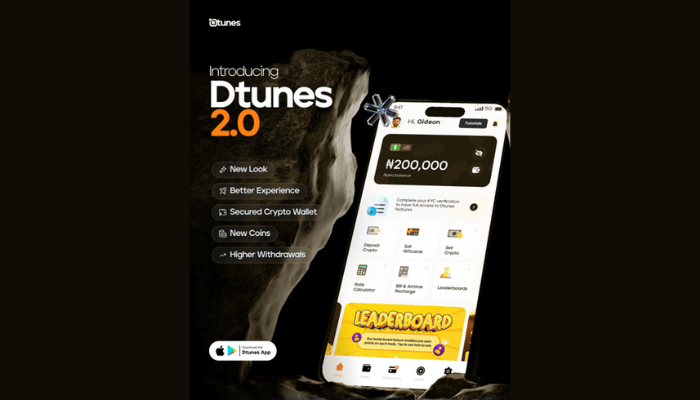
Dtunes stands out because it doesn’t treat USDT as something that should stay trapped in crypto forever. It combines wallet functionality with a direct link to Nigerian bank accounts.
You can receive, store, and send USDT, but the real strength is instant conversion to naira at transparent rates. There’s no need to move funds to another app, negotiate with P2P vendors, or worry about fake alerts.
For crypto traders who want to trade in USDT, Dtunes simplifies the entire lifecycle: receive – hold – convert – withdraw.
Security features include encryption, transaction verification, and account-level protections designed to reduce the common risks seen in local P2P trading.
It is best for Nigerians who regularly convert USDT to naira and its major advantage is that the Wallet and trading features are all in one place
2. MetaMask
MetaMask remains one of the most widely used non-custodial wallets globally. It gives users full control of private keys and supports ERC-20 USDT by default, with the option to add other networks manually.
Its biggest strength is ecosystem access. MetaMask connects seamlessly to DeFi apps, decentralized exchanges, and NFT platforms. For users interacting with Web3 regularly, it remains essential.
However, gas fees on Ethereum can still be high, which is why many Nigerian users pair MetaMask with another wallet for TRC-20 USDT.
3. Ledger Nano X
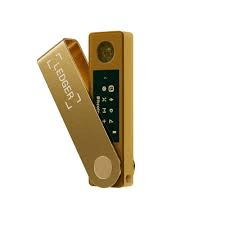
Ledger Nano X is still a gold standard for cold storage in 2025. By keeping private keys offline, it protects USDT from phishing, malware, and exchange breaches.
It supports multiple USDT networks and works alongside wallets like MetaMask for transaction signing. While it’s not ideal for frequent small transactions, it’s excellent for storing large balances securely.
4. Trezor Wallet
Trezor continues to attract users who value transparency. Its open-source firmware allows independent audits, which strengthens trust.
Like Ledger, it stores USDT offline and integrates with software wallets for flexibility. It’s especially useful for long-term holders who prioritize security over convenience.
5. Exodus Wallet
Exodus offers one of the cleanest user experiences in crypto. It supports USDT across multiple networks and includes built-in swaps, portfolio tracking, and desktop/mobile access.
Its strength lies in simplicity. Users can manage multiple assets without juggling apps. Exodus can also connect to Trezor for added security.
6. Coinomi Wallet
Coinomi remains one of the oldest multi-chain wallets still in active use. It supports several USDT standards and runs on both desktop and mobile.
It’s a practical choice for users managing assets across many blockchains, though its interface is more functional than modern.
7. Phantom Wallet
Originally Solana-focused, Phantom has expanded to support Ethereum and Polygon. For users receiving USDT on Solana or interacting with fast, low-fee ecosystems, Phantom offers speed and clarity.
It’s particularly popular among DeFi users who value quick confirmations and low transaction costs.
8. Coinbase Wallet
Coinbase Wallet (not the exchange) is a self-custody wallet that supports USDT on major networks. It provides a gentle learning curve for users transitioning from centralized exchanges to private wallets.
Its backing by a well-known brand adds a layer of confidence, especially for newer users.
Best USDT Wallets in 2025 by Use Case
| Wallet | Best For | Custody | USDT Networks | Naira Access |
| Dtunes | Converting to naira | Custodial | TRC-20, others | Yes |
| MetaMask | DeFi & Web3 | Non-custodial | ERC-20 + custom | No |
| Ledger Nano X | Maximum security | Cold storage | Multiple | No |
| Trezor | Transparent security | Cold storage | ERC-20 | No |
| Exodus | All-in-one management | Non-custodial | Multiple | No |
| Coinomi | Multi-chain users | Non-custodial | Multiple | No |
| Phantom | Solana users | Non-custodial | Solana, ETH | No |
| Coinbase Wallet | Beginners | Non-custodial | Multiple | No |
A Smarter Strategy Nigerians Use in 2026
Many experienced users no longer rely on a single wallet. Instead, they split roles:
- One wallet for storage
- One for DeFi or trading
- One for converting and withdrawing to naira
This reduces risk and improves flexibility.
Common Mistakes to Avoid When Holding USDT
Using the wrong network for transfers remains one of the most expensive mistakes. Sending TRC-20 USDT to an ERC-20 address can result in lost funds.
Another mistake is keeping all funds in wallets that don’t support easy withdrawal, forcing last-minute transfers when cash is needed urgently.
FAQs
Q: Can I store USDT on multiple blockchains in one wallet?
A: Yes. Many wallets support USDT across multiple networks, including TRC-20, ERC-20, and BEP-20. You must still select the correct network when sending or receiving funds.
Q: What is the safest USDT wallet in 2025?
A: Dtunes is the safest USDT wallet in 2025. Others like Ledger Nano X and Trezor follow closely because private keys never touch the internet. They are best for storing large balances long-term.
Q: What happens if I lose my wallet access?
A: Most non-custodial wallets provide a recovery phrase. If this phrase is lost, funds cannot be recovered. It should always be stored offline in a secure location.
Q: Which wallet is best for Nigerians who want to withdraw to naira?
A: Dtunes wallet is the best for Nigerians who want to withdraw to naira. They reduce transfer delays and eliminate reliance on third-party P2P vendors.
The best USDT wallet isn’t the one with the most features; it’s the one that fits how you actually use crypto. Whether you prioritize security, speed, DeFi access, or instant naira withdrawals, the right choice saves time and prevents costly mistakes.
In 2025, flexibility is power. Choose wisely.